
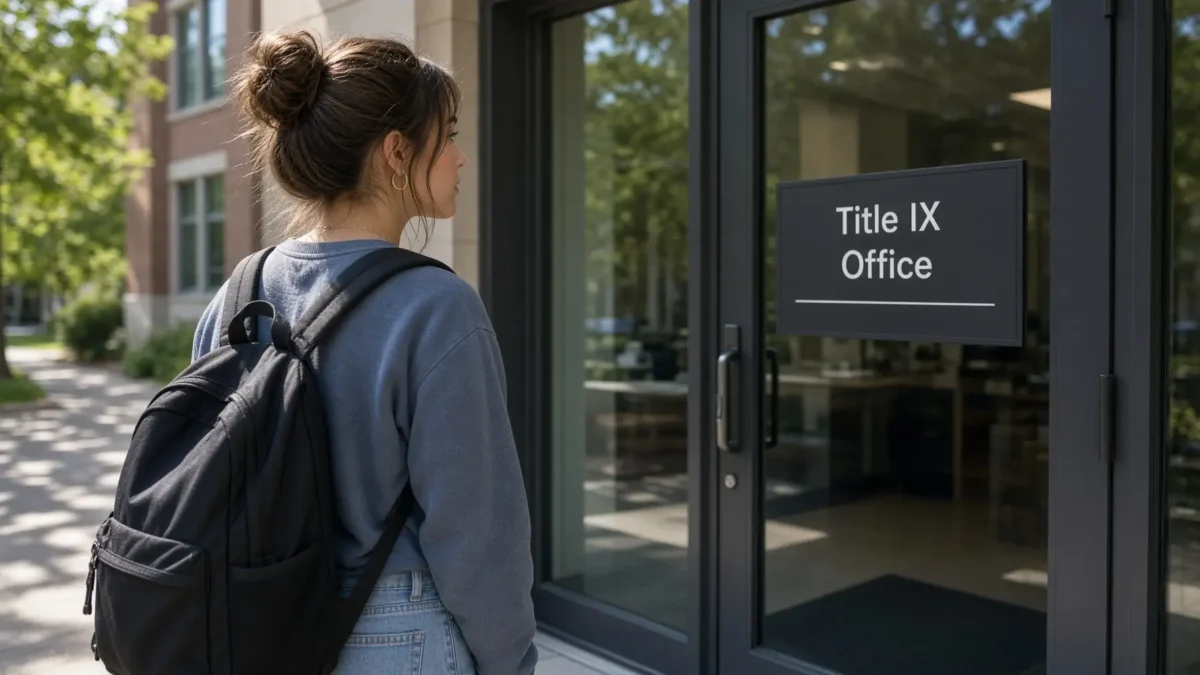
A bill recently reintroduced in Congress and presented as a solution to campus sexual assault is well-intentioned but deeply flawed. The bipartisan Campus Accountability and Safety Act of 2026 (CASA) would let a student report sexual assault or harassment to a new campus “specialist”—a confidential employee meant to help arrange accommodations without starting a formal process—and receive help requesting housing or class changes, yet it would leave the school with no Title IX duty to investigate or otherwise respond.
 Those reports also would not count toward Clery Act campus crime statistics or timely warnings. The bill would add complex new requirements that hit smaller colleges especially hard. The legal rules around these issues have changed significantly since the idea was first proposed in 2014. SAFE Campuses, LLC supports practical steps that help schools respond effectively to sexual violence but urges Congress to substantially rethink this approach before moving CASA forward.
When CASA was first introduced in 2014, many advocates were concerned that Title IX guidance at the time pushed colleges to open formal investigations—and notify the accused student—even when the student who reported did not want that to happen. A campus role that could offer help without automatically starting an investigation looked like a practical solution then. Every version of that idea, though, has had the same result: if a student reports only to the new “specialist,” the school is treated as having no notice under Title IX. Today’s Title IX rules, in place since 2020, already prevent automatic investigations.
A full investigation starts only if the reporting student files a formal complaint or the Title IX Coordinator signs one when the circumstances make it unreasonable not to. The specialist approach is no longer needed to protect a student’s choice, and it comes at the cost of removing Title IX protections entirely.
That means the student has no Title IX right to supportive measures such as housing or class changes and no protection if the school does nothing further. The current bill says the specialist must be allowed to ask other campus offices to arrange reasonable accommodations, but it does not require the school to provide them. Under ordinary Title IX rules, once the school has proper notice, it must at least offer supportive measures; this specialist pathway does not.
 The bill has been presented mainly as a way to address campus sexual assault—an issue colleges have been required to track and respond to under the Clery Act for decades. It would also add the term “sexual harassment” to that same law. Sexual harassment is a civil rights concept under Title IX; the Clery Act has traditionally dealt with specific criminal offenses such as sexual assault, dating violence, domestic violence, and stalking.
Mixing an undefined civil rights term into a campus crime-reporting statute is unnecessary and unwise. There is a real concern that courts or federal agencies could later treat these new Clery rules as changing how Title IX works, including students’ ability to go to court when a school fails to respond properly. Civil rights protections should stay in civil rights law.
Under today’s Title IX and Clery Act rules, students who report sexual assault already have meaningful protections. Once a school has proper notice, its Title IX Coordinator must offer supportive measures—such as housing changes, class adjustments, or no-contact orders—and is responsible for making sure they are put in place, not merely for asking other offices to consider them.
A full formal investigation does not start automatically. It begins only if the reporting student files a complaint or the Title IX Coordinator signs one in the limited situations where failing to do so would be unreasonable. The central idea in the Campus Accountability and Safety Act was meant to solve a problem that existed under older guidance; that problem is largely addressed by the rules now in effect. Congress should take a clear-eyed look at how the law actually works today before moving this bill forward in its current form.
