
When people think of federal oversight on campus safety, they often imagine strict mandates dictating exactly how colleges must prevent and respond to crime. Yet buried in the Jeanne Clery Campus Safety Act—a law that requires emergency notifications, detailed sexual violence responses, and annual crime statistics—is a little-known provision that explicitly bars the Secretary of Education from requiring any “particular policies, procedures, or practices” for campus security. Colleges remain free to design their own approaches, but they are still held accountable for actually delivering on the specific measures they publicly promise in their Annual Security Reports (ASR).
This limitation dates back to the Clery Act’s original enactment in 1990. The accompanying legislative history in House Report No. 101-518 clearly articulates Congress’s rationale (emphasis added):
The Committee does not intend the Secretary to in any way prescribe a Federally mandated campus security policy. No single campus security system is appropriate for use by all institutions. The intent of this legislation is to encourage campuses to develop campus security policies and procedures which are appropriate to the unique conditions of the campus.
However, the U.S. Department of Education can hold institutions accountable for implementing the specific security policies and procedures they describe in their Annual Security Reports (ASRs). In one enforcement action, the Department emphasized that “By making these representations in the Clery-required ASR, the University committed itself” to following through on them. This underscores a core compliance principle: institutions must say what they do, and do what they say.
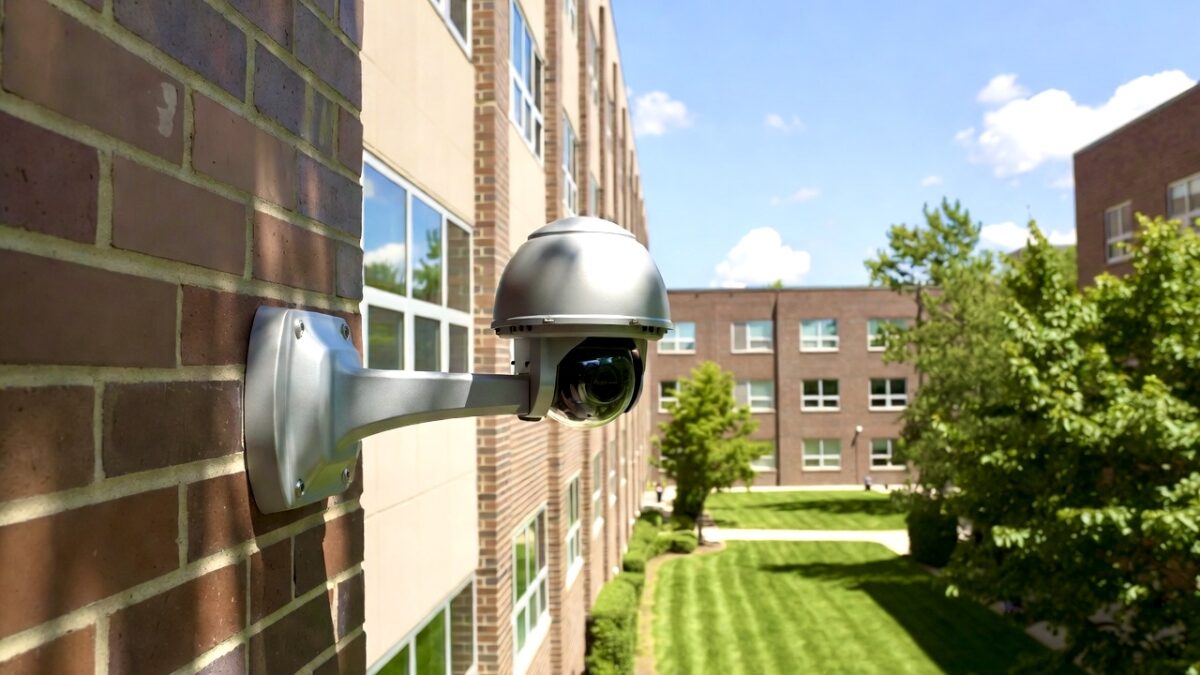
 For example, this means the Department of Education cannot require institutions to install security cameras—let alone mandate a specific number or type. However, if an institution states in its Annual Security Report that it maintains a CCTV network, it must actually have one in place and operational.
In essence, this is the heart of the Clery Act: it promotes campus safety not through federally imposed standards, but by harnessing transparency to drive institutional improvements. The law serves as a powerful reminder that Annual Security Reports are far more than a compliance checkbox—they must be accurate and meaningful reflections of reality. Ultimately, the goal is safer campuses, a purpose Congress explicitly articulated in 1990 and one that remains as vital today.
